
Tampilkan postingan dengan label Level. Tampilkan semua postingan

Jumat, 30 Oktober 2020

thumbnail

Occurs Of Level That Diabetes Body Doesn't Controls Enough A The When Insulin Produce Your Hormone

What Can You Do If Your Body Does Not Produce Insulin

Jul 17, 2020 · answer ordinarily, your body manages insulin production so that you naturally have the amount of insulin you need to help control your blood sugar level. The condition develops when your body can't produce enough insulin. insulin normally plays a key role in helping sugar (glucose) — a major source of energy for your muscles and other tissues — enter your cells. without enough insulin, your body begins to break down fat as fuel. Insulin is a hormone made by the pancreas. this insulin occurs of level that diabetes body doesn't controls enough a the when insulin produce your hormone helps glucose present in the food to get into the cells and tissues to deliver energy for your body tasks. sometimes, the pancreas doesn’t produce enough insulin or your body doesn’t make use of the insulin produced by the pancreas properly.

Reverse Diabetes Today Your Diabetes Cure Official Website

diabetes is not a disease about not having enough “insulin”… but a disease of the organ that produces insulin: the pancreas ! and this condition is merely a "symptom" an outward "signal" of a damaged pancreas that simply is too damaged to produce the insulin your body needs to regulate the levels of sugar in your blood ! diabetes doesn't just happen, it is the direct result of With____, your body either resists the effects of insulin (a hormone that regulates the movement of sugar into your cells) or doesn't produce enough insulin to maintain a normal glucose level. type 2 diabetes.

Type 1 Diabetes Endocrinology Bon Secours

There's much you can do to prevent diabetic ketoacidosis and other diabetes complications. 1. commit to managing your diabetes. make healthy eating and physical activity part of your daily routine. take oral diabetes medications or insulin as directed. 2. monitor your blood sugar level. you might need to occurs of level that diabetes body doesn't controls enough a the when insulin produce your hormone check and record your blood sugar level at least three to four times a day — more often if you're ill or under stress. careful monitoring is the only way to make sure your blood sugar level r Answer ordinarily, your body manages insulin production so that you naturally have the amount of insulin you need to help control your blood sugar level.

What is diabetes? a comprehensive guide to lower blood.

Diabetes Causes Symptoms And Management On Medicinenet Com

Diabetes is a chronic condition that affects how your body uses insulin. this hormone controls how much blood sugar, also known as glucose, is released into your cells to be used as energy. Diabetic ketoacidosis is treated with fluids, electrolytes — such as sodium, potassium and chloride — and insulin. perhaps surprisingly, the most common complications of diabetic ketoacidosis are related to this lifesaving treatment. The role of pancreas is to produce adequate amount of insulin for regulating the level of sugar in the body. 90 percent of the cells in pancreas work on the digestive front of the body and their imbalance can lead to serious complication called diabetes that is not occurs of level that diabetes body doesn't controls enough a the when insulin produce your hormone curable by roots. learn about pancreas and its role, pancreas and insulin, pancreas and diabetes type i and ii, also know why does.

The risk of diabetic ketoacidosis is highest if you: 1. have type 1 diabetes 2. frequently miss insulin dosesuncommonly, diabetic ketoacidosis can occur if you have type 2 diabetes. in some cases, diabetic ketoacidosis may be the first sign that a person has diabetes. This keeps blood sugar levels within a narrow range. if your pancreas secretes little or no insulin (type 1 diabetes), or your body doesn't produce enough insulin or has become resistant to insulin's action (type 2 diabetes), the level of glucose in your bloodstream increases because it's unable to enter cells.

What Can You Do If Your Body Does Not Produce Insulin

Sugar is a main source of energy for the cells that make up your muscles and other tissues. normally, insulin helps sugar enter your cells. without enough insulin, your body can't use sugar properly for energy. this prompts the release of hormones that break down fat as fuel, which produces acids known as ketones. excess ketones build up in the blood and eventually \\"spill over\\" into the urine. diabetic ketoacidosis is usually triggered by: 1. an illness. an infection or other illness can cause See full list on mayoclinic. org. Feb 13, 2020 · type 2 diabetes occurs when the pancreas, a large gland behind the stomach, can't produce enough insulin to control your blood glucose level, or when the cells in your body don't respond properly to the insulin that is produced. this means your blood glucose levels may become very high, and is known as hyperglycaemia. The pancreas is a large gland behind the stomach. type 2 diabetes occurs when the pancreas can’t produce enough insulin to control your blood glucose level, or when the cells in your body don't respond properly to the insulin that is produced. this means your blood glucose levels may become very high. this is known as hyperglycaemia.

Type 2 diabetes illnesses & conditions nhs inform.

aplenty it may be caused due to lack of insulin or its ineffectiveness that is when body fails to use the insulin properly diabetes is also happens when body does not produce enough insulin read more >> get your blood sugar levels tested to monitor diabetes ! researches on diabetes suggest Type 1 diabetes also known as juvenile diabetes or insulin-dependent diabetes occurs when the pancreas produces little or no insulin. your body’s cells need insulin to produce energy. type 1 diabetes is commonly diagnosed in late childhood or adolescence, though it can occur at any age. type 1 diabetes causes. Diabetesoccurswhen yourbody has a problem with the blood sugar-controlling hormone insulin you don’t make enough insulin, or your body doesn’t respond well to the insulin it makes. many medications and lifestyle changes can help your body be more sensitive to insulin, which can help if you have type 2 occurs of level that diabetes body doesn't controls enough a the when insulin produce your hormone diabetes. Diabetic ketoacidosis signs and symptoms often develop quickly, sometimes within 24 hours. for some, these signs and symptoms may be the first indication of having diabetes. you may notice: 1. excessive thirst 2. frequent urination 3. nausea and vomiting 4. abdominal pain 5. weakness or fatigue 6. shortness of breath 7. fruity-scented breath 8. confusionmore-specific signs of diabetic ketoacidosis — which can be detected through home blood and urine testing kits — include: 1. high blood sugar
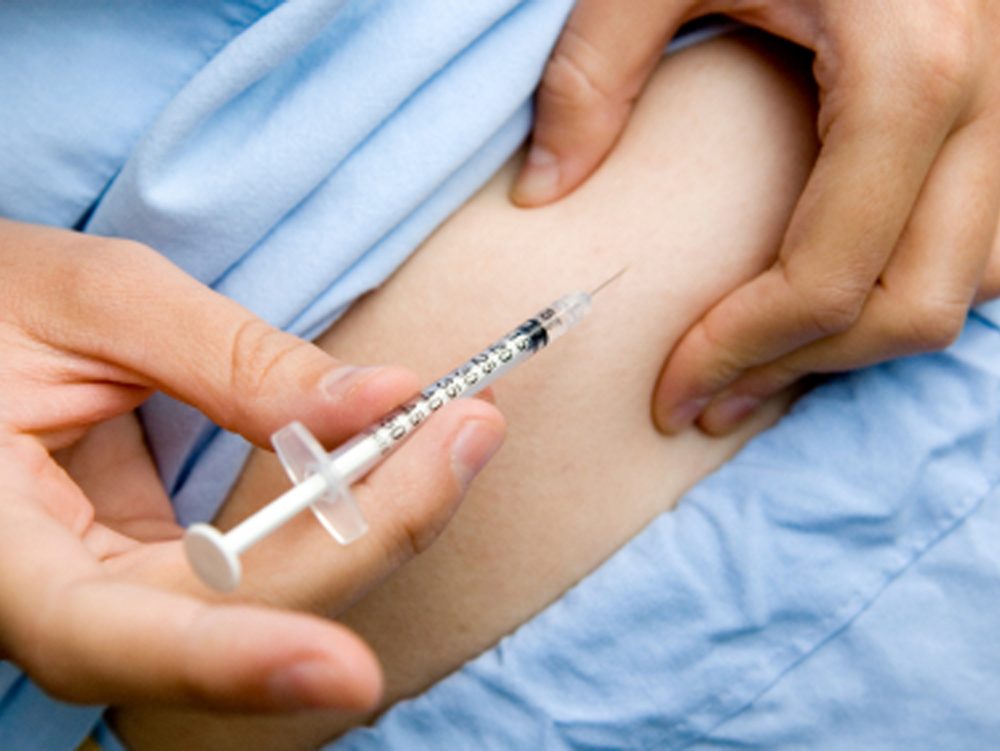
Occurs Of Level That Diabetes Body Doesn't Controls Enough A The When Insulin Produce Your Hormone

_____, once known as juvenile diabetes or insulin-dependent diabetes, is a chronic condition in which the pancreas produces little or no insulin. insulin is a hormone needed to allow sugar (glucose) to enter cells to produce energy. type 1 diabetes. Always follow the instructions provided by your veterinarian. diabetes mellitus occurs when the pancreas doesn't produce enough insulin. insulin is required for the body to efficiently use sugars, fats and proteins. diabetes most commonly occurs in middle age to older dogs and cats, but occasionally occurs in young animals.

Brain Fog And Diabetes Whats The Connection

s inability to produce or properly use the hormone insulin, which controls the typically occurs when the body has become resistant to the insulin Type 2 diabetes occurs when the pancreas, a large gland behind the stomach, can't produce enough insulin to control your blood glucose level, or when the cells in your body don't respond properly to the insulin that is produced. this means your blood glucose levels may become very high, and is known as hyperglycaemia.

Jumat, 19 Juni 2020

thumbnail

Level 500 Diabetes

What Are The Dangers Of A Sugar Count Over 500 Healthy

See full list on healthguideinfo. com. See full list on healthguideinfo. com.

Know about risks of blood sugars over 500 health guide info.

A Guide On What To Do When Your Blood Sugar 500

What Do I Need To Know About Cholesterol Levels

How Dangerous Is Blood Sugar In The 500s Organ Failure

Water is considered to be as one of the best therapies to reduce the blood sugar. if you are diabetic, then you must drink a good amount of water at least 3 liters per day. in case, your blood sugar level is hitting 500, then drink water more and more. ensure that level 500 diabetes you do not feel sick. Hyperglycemia doesn't cause symptoms until glucose values are significantly elevated — usually above 180 to 200 milligrams per deciliter (mg/dl), or 10 to 11 millimoles per liter (mmol/l). symptoms of hyperglycemia develop slowly over several days or weeks. the longer blood sugar levels stay high, the more serious the symptoms become. however, some people who've had type 2 diabetes for a long time may not show any symptoms despite elevated blood sugar levels. Just how dangerous is a blood sugar reading in the 500’s? very. “blood sugar in the 500’s is dangerous, especially if it stays there for any significant period of time (like hours),” says stacy mitchell doyle, md, resident physician of foodtherapymd and long-time advocate of plant-based nutritional protocols.

Type 2 Diabetes Quick Facts And The Treatment You Need

Best blood glucose meters for diabetics.
Level 500 Diabetes

Blood sugar levels over 500 mg/dl can lead to: damage to the retina, the leading cause of blindness in diabetics. damage to the nerves, particularly in the legs and feet. in most of the diabetic cases, diabetic neuropathy leads to foot and leg amputations. If the blood sugar monitor shows a reading of 500 mg/dl, it is an emergency and the patient must immediately see a doctor who can administer high levels of rapid-acting insulin to bring down the levels down as quickly as possible. such extreme conditions must be closely and constantly monitored so as to regulate them and bring sugar levels under control. patients experiencing blood sugars over 500 mg/dl must drink plenty of water, check their urine for ketones if they take insulin and consult

Diabetes drastically lowers insulin's effects on your body. this may be because your pancreas is unable to produce insulin (type 1 diabetes), or it may be because your body is resistant to the effects of insulin or doesn't produce enough insulin to maintain a normal glucose level (type 2 diabetes). People with diabetes need to check their blood (sugar) glucose levels often to determine if they are too low (hypoglycemia), normal, or too high (hyperglycemia). normal blood sugar levels for diabetics before eating (fasting) range from 80 mg/dl to 130 mg/dl while the high range starts at 180 mg/dl. tips to manage and prevent low or high blood sugar levels you can be used while eating (fasting. level 500 diabetes Typically, blood sugar is considered high when it's 160 milligrams per deciliter or above your glucose target, notes the joslin diabetes center. your doctor may need to adjust your treatment plan. In case, if someone is a diabetic patient, his or her pancreas secretes low to no insulin into the bloodstream and the glucose level begin to high. when it is not treated appropriately with the insulin injection, then the glucose level can rise over 500 quickly. if the blood sugar 500, then it is considered to seek medical assistance immediately.

High blood sugar (hyperglycemia) affects people who have diabetes. several factors can contribute to hyperglycemia in people with diabetes, including food and physical activity choices, illness, nondiabetes medications, or skipping or not taking enough glucose-lowering medication. it's important to treat hyperglycemia, because if left untreated, hyperglycemia can become severe and lead to serious complications requiring emergency care, such as a diabetic coma. in the long term, persistent hype Having blood sugar at optimal levels is important for health and survival, for glucose is the body’s main energy source. in a healthy human body, when blood sugar rises after a meal, the pancreas releases insulin to help the cells use the glucose for energy. in a diabetic, either the pancreas does not secrete insulin or the body is unable to utilize it effectively, causing blood sugar to build up in the bloodstream to levels that are higher than normal, a condition called hyperglycemia. if lef

During digestion, your body breaks down carbohydrates from foods — such as bread, rice and pasta — into various sugar molecules. one of these sugar molecules is glucose, a main energy source for your body. glucose is absorbed directly into your bloodstream after you eat, but it can't enter the cells of most of your tissues without the help of insulin — a hormone secreted by your pancreas. when the level of glucose in your blood rises, it signals your pancreas to release insulin. the insulin, i Normally, your pancreas releases insulin when your blood sugar, or “blood glucose,” gets high -after a meal, for example. that signals your body to absorb glucose until levels get back to.

A blood sugar chart identifies ideal levels throughout the day, especially before and after meals. they allow doctors to set targets and monitor diabetes treatment, and they help people with. level 500 diabetes People with blood sugar levels over 500 mg/dl are usually those who have not yet been diagnosed yet and are not treating the disease. in all cases, blood sugar levels that high are a medical emergency. while most complications will only occur after prolonged bouts of hyperglycemia, there are two conditions that can cause death very quickly if the blood sugar levels are not brought under control. diabetic ketoacidosis occurs when there is no insulin being produced, as is the case with all type Many factors can contribute to hyperglycemia, including: 1. not using enough insulin or oral diabetes medication 2. not injecting insulin properly or using expired insulin 3. not following your diabetes eating plan 4. being inactive 5. having an illness or infection 6. using certain medications, such as steroids 7. being injured or having surgery 8. experiencing emotional stress, such as family conflict or workplace challengesillness or stress can trigger hyperglycemia because hormones produc

See full list on mayoclinic. org. Jul 25, 2019 · in case, if someone is a diabetic patient, his or her pancreas secretes low to no insulin into the bloodstream and the glucose level begin to high. when it is not treated appropriately with the insulin injection, then the glucose level can rise over 500 quickly. if the blood sugar 500, then it is considered to seek medical assistance immediately. 1. diabetes high blood sugar: medresidents. stanford. edu/outpatient_med/resources/diabetes%20-%20high%20blood%20sugar. pdf2. high blood sugar levels a level 500 diabetes risk factor for heart disease: www. jhsph. edu/publichealthnews/press_releases/2005/selvin_bloodsugar. html3. high blood glucose: what it means and how to treat it: www. joslin. harvard. edu/info/high_blood_glucose_what_it_means_and_how_to_treat_it. html.

Jun 06, 2018 · water is considered to level 500 diabetes be as one of the best therapies to reduce the blood sugar. if you are diabetic, then you must drink a good amount of water at least 3 liters per day. in case, your blood sugar level is hitting 500, then drink water more and more. ensure that you do not feel sick. Nov 28, 2018 · typically, blood sugar is considered high when it's 160 milligrams per deciliter or above your glucose target, notes the joslin diabetes center. your doctor may need to adjust your treatment plan.

About